Walking on Frosty Grass: Indiana Lawn Care Tips
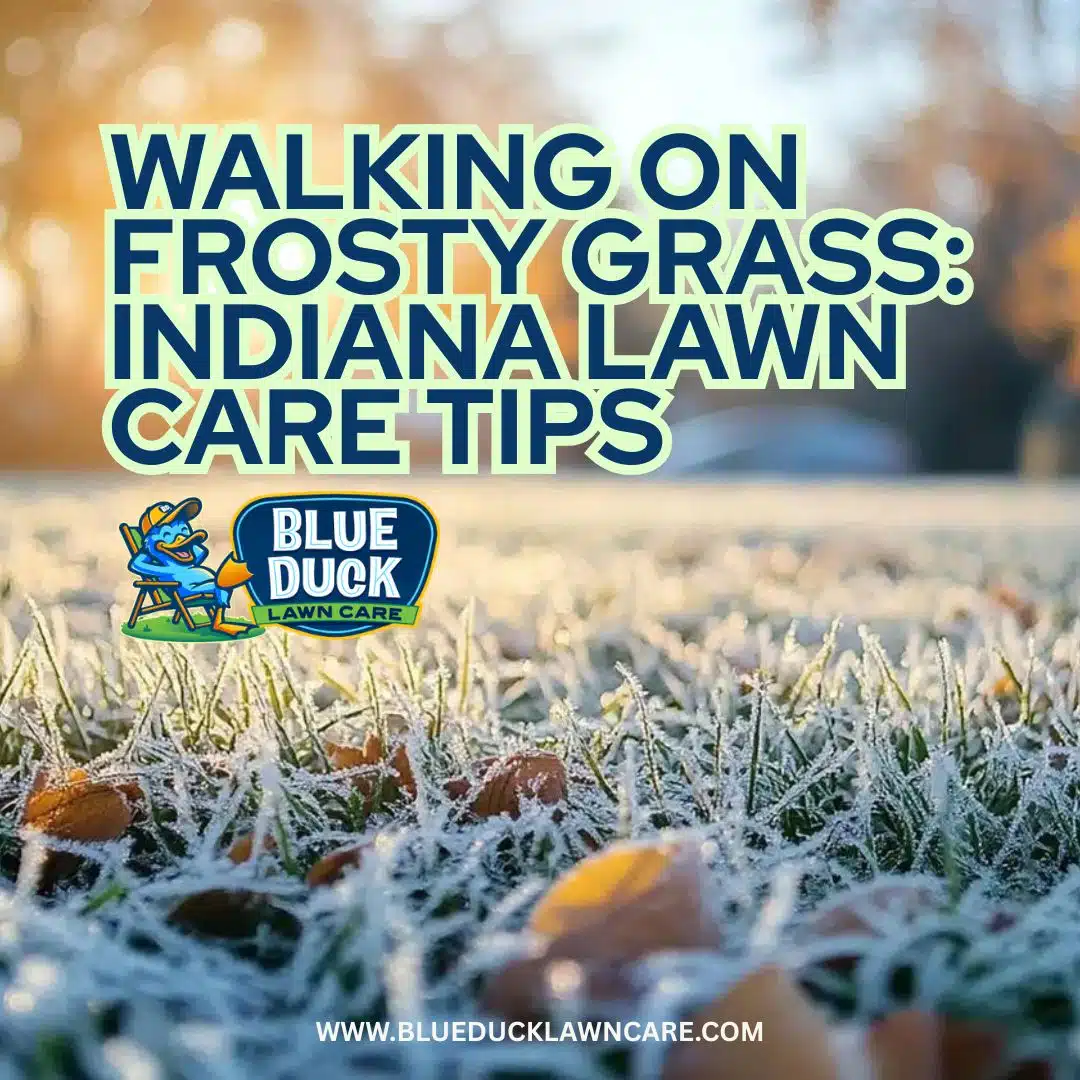
Walking on frosty grass might seem harmless, especially when you’re heading to your car, taking the dog outside, or bringing in the trash cans on a chilly November morning. However, frozen grass blades are more vulnerable to damage than they appear.
For homeowners in Indianapolis, Carmel, Fishers, and surrounding Indiana communities, early morning frost is a familiar sign that winter is approaching. Understanding how frost affects your lawn can help you prevent unnecessary damage before the coldest months arrive.
Why Walking on Frosty Grass Can Damage Your Lawn
Grass contains water within its plant cells. When temperatures drop below freezing, ice crystals can form on and within the grass blades.
These frozen blades become less flexible. Under pressure from footsteps, pets, or equipment, the plant tissue may become injured.
Unlike healthy grass that bends under your shoes and springs back, frozen grass can become brittle.
The damage may not appear immediately. In some cases, homeowners notice darkened, flattened, or discolored footprints after the frost melts.
Is Walking on Frosty Grass Always Harmful?
Not necessarily.
A light frost does not automatically mean your lawn will suffer permanent damage. Healthy, established turf can tolerate many cold mornings.
The greater concern is unnecessary foot traffic while the grass is frozen.
Repeated traffic, especially in the same area, can increase wear and stress during a season when grass growth is slowing.
What Happens When Walking on Frosty Grass?
The severity of frost-related damage depends on several factors, including grass species, soil conditions, temperature, and the amount of traffic.
1. How Frost Injures Grass Blades
Frozen grass blades may be damaged when compressed underfoot.
This can create visible footprints or patches that look darker than the surrounding lawn.
2. Why Frost-Damaged Grass Recovers Slowly
Most established Indiana lawns contain cool-season grasses, such as Kentucky bluegrass and tall fescue.
These grasses generally grow best during cooler parts of the year, but growth slows significantly as temperatures approach winter conditions.
If damage occurs late in the season, the lawn may not recover visibly until favorable growing conditions return.
3. How Walking on Frosty Grass Affects Your Lawn
Walking across a lawn occasionally is different from repeatedly driving equipment or pushing heavy loads across the same route.
When soil is wet and vulnerable to compaction, repeated traffic can also affect the root zone.
This makes it important to consider both the grass blades and the soil underneath.
How to Prevent Damage From Walking on Frosty Grass
You don’t need to stop using your yard throughout the colder months. A few practical habits can reduce unnecessary damage.
Wait Until the Frost Melts
When possible, avoid walking on frosty grass until the blades have thawed.
This is especially useful during early mornings when frost is still visible.
Allowing the grass to thaw naturally helps reduce the risk of damage caused by pressure on frozen plant tissue.
Use Sidewalks and Established Paths
Keep routine foot traffic on driveways, sidewalks, patios, and designated walkways.
If your family frequently crosses the lawn to reach a shed or garage, consider establishing a permanent path.
This can reduce repeated wear on the same section of grass throughout the colder months.
Keep Heavy Equipment Off Frozen Turf
Avoid unnecessary equipment traffic during frosty conditions.
Heavy loads can place additional pressure on grass and soil, particularly where the ground is saturated or partially thawed.
Avoid Unnecessary Lawn Treatments
Late fall lawn care should reflect the actual weather, grass condition, and seasonal growth pattern.
Avoid applying products simply because they are part of a routine calendar. Fertilization, mowing, and other services should be timed according to local conditions and the needs of the lawn.
What If You Already Walked on Frosty Grass?
If you notice footprints or flattened patches after a frosty morning, don’t assume your lawn is permanently damaged.
Allow the grass to thaw naturally.
Avoid additional traffic over the affected area, and give the turf time to recover.
You should also avoid aggressive raking or other unnecessary disturbance while the grass is stressed.
If the affected areas remain brown or thin after active spring growth resumes, a lawn care professional can help determine whether the problem is frost-related or connected to another issue.
Winter Lawn Protection Tips for Indiana Homeowners
November is a useful time to evaluate your lawn’s overall condition before winter.
Consider whether you have areas with poor drainage, compacted soil, thin grass, or repeated foot traffic.
These problems may become more noticeable during wet, cold weather.
Watch for Areas With Repeated Foot Traffic
Some parts of your lawn naturally receive more activity than others.
Areas near driveways, mailboxes, gates, and backyard entrances may experience additional wear during winter.
Redirecting foot traffic to designated pathways can help protect vulnerable sections.
Check for Drainage Problems
Poor drainage can create additional challenges when temperatures fluctuate between freezing and thawing.
Waterlogged soil may become compacted under repeated traffic.
Addressing drainage concerns when conditions permit can help support healthier turf.
Plan Ahead for Spring Lawn Recovery
If your grass already looks thin or stressed, winter is a good time to start planning improvements.
Professional lawn care services can help identify soil compaction, nutrient needs, and other issues that may affect spring growth.
Planning ahead can help you prioritize improvements when the appropriate treatment season arrives.
Protect Your Lawn From Frost Damage This Winter
Walking on frosty grass once is unlikely to ruin an otherwise healthy lawn. Still, avoiding unnecessary traffic during freezing conditions is a simple way to reduce seasonal stress.
Small habits, such as using sidewalks and waiting for frost to melt, can help preserve your lawn’s appearance through the colder months.
At Blue Duck Lawn Care, we help Indianapolis-area homeowners make informed lawn care decisions throughout the year.
Whether you’re concerned about thinning grass, soil compaction, or preparing for healthier spring growth, our team can help you understand what your lawn needs.
Contact Blue Duck Lawn Care today to discuss your lawn’s condition and prepare for healthier grass in the seasons ahead.